


Round Hand Calligraphy
Handwriting has not been a strong suit of mine for a while, so I admire calligraphy from a distance. As writing has advanced across civilization, so has the manner in which we do write, in which I pondered the random question- what font was the Declaration of Independence in?
And in this case, the Declaration does not have its own font, but a calligraphic style called Round Hand Calligraphy, originating in England in the 1660s.
Timothy Matlack was the scribe of the Declaration, inspired by Copperplate script, which was most commonly associated with Round Hand calligraphy. Mostly written using a thin-tipped quill pen, this style of calligraphy is very complicated and delicate (see below) with precise yet exaggerated edges that overlap one another.
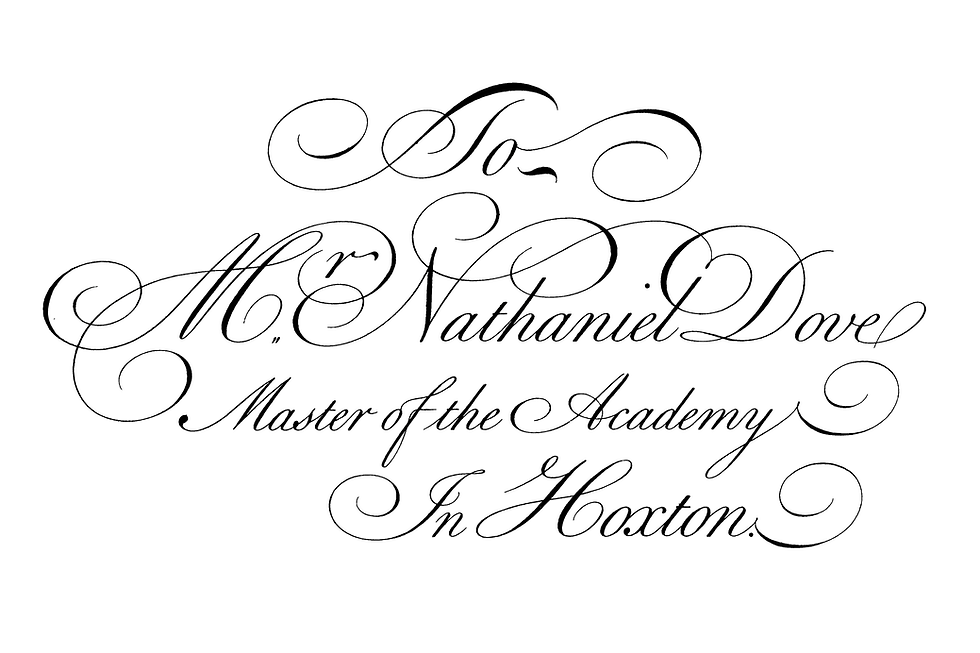
It astounds me, the skills demonstrated in calligraphy as shown here. Bringing me more amazement is the fact that it took 17 days to write the Declaration, being a large poster rather than a folded book. As digital writing is the norm in the modern century, sometimes I can't help but wonder if we were all put into scribe tables and keyboards completely ceased to exist, as a steady hand is no longer needed, but the ability to type fast and without reference.


Comments